When people are ready to make a purchase or invest in a service, they don’t just choose the company with the flashiest ads—they choose the brand they trust. Brand authority refers to the trust and expertise a business builds over time by consistently teaching, informing, and answering real customer questions.
That’s why educational content has become one of the most valuable marketing strategies for businesses and brands that want to be seen as authoritative brands in their market, not just another provider. Instead of constantly selling, brands that educate naturally position themselves as experts. Over time, that expertise becomes strong brand authority, which influences customer confidence, loyalty, and buying decisions.
For companies trying to build credibility in a crowded market, brand authority matters because today’s buyers research extensively before they commit and reward the sources that help them understand the decision. This article explains how educational content builds authority, why teaching often works better than selling, how it supports every stage of the customer journey, what successful brands do well, and the business benefits that follow.
People Buy Confidence and Brand Loyalty
Today’s consumers do their homework.
Whether they’re looking for a new shampoo, a cleaning service, or a plastic surgeon, they’re researching online long before they make contact. They’re reading reviews, comparing options, and searching for answers to questions they may not even feel comfortable asking in person.
When your business consistently provides those answers, you become more than a service provider—you become a trusted resource.
Educational content removes uncertainty. That’s why brand authority means trust, credibility, and expertise in your market. It helps your target audience feel informed, empowered, and confident before they ever schedule a consultation or request a quote. Strong brand authority also means customers feel safer buying from a recognized leader than an unknown name. Reviews, customer feedback, and customer satisfaction shape a positive opinion, while familiar target audiences are more likely to trust what they find. When you analyze customer feedback, you better understand how familiar target audiences are with your business, support true brand authority, and create content that can generate leads as you become one of the authoritative brands in your space.
Education Creates Trust Without Feeling Like Marketing
One of the biggest mistakes brands make on social media is focusing almost exclusively on promotional content.
Posts announcing specials or showcasing finished projects certainly have their place, but audiences quickly tune out content that’s always asking for the sale.
Educational content flips that approach.
Instead of saying, “Here’s what we do,” it starts with your target audience, since most target audiences are already somewhat familiar with a business before they ever reach out, and uses market research to create content that reflects what they actually want to know.
- Here’s how this process works.
- Here’s what you should know before making a decision.
- Here’s what to expect.
- Here are common misconceptions.
That shift immediately provides value, making audiences far more likely to engage, follow, and remember your brand. It also turns content marketing into a practical way to become a thought leader with a clear content strategy across social media platforms. Over time, that consistency helps your brand become a trusted voice, and social media engagement gives you a measurable way to see whether that message is landing.
Customer reviews significantly influence brand authority perception, and true brand authority gets stronger when you analyze customer feedback to understand how brand perception is actually forming. Displaying customer testimonials and case studies also helps shape a positive opinion and build credibility.
Charleston Plastic Surgery: A Great Example
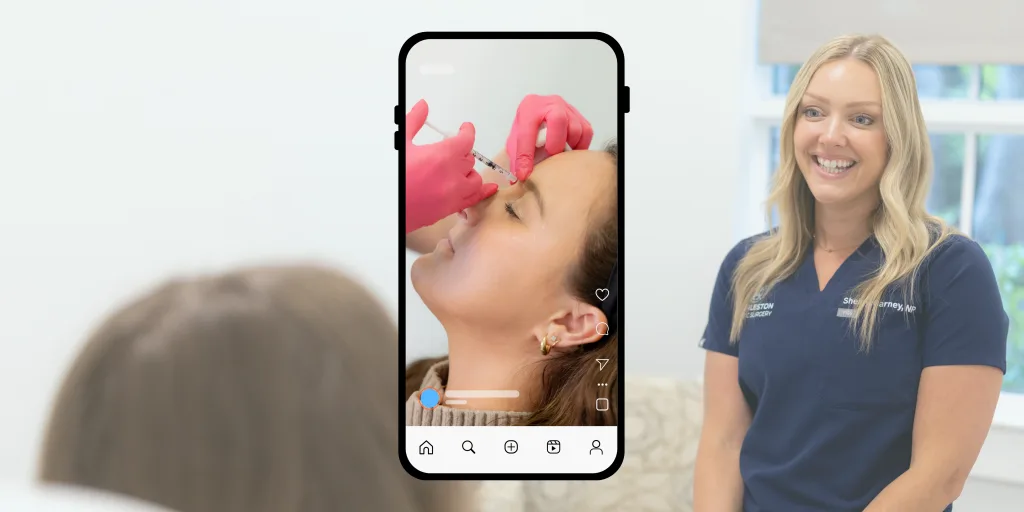
Our client, Charleston Plastic Surgery, demonstrates exactly why education is such a powerful tool: effective content marketing starts with market research before you create content for the right audience.
Rather than relying solely on before-and-after photos, their content regularly answers the questions prospective patients are already searching online:
- What is recovery really like?
- Which procedure is right for my goals?
- What should I expect during a consultation?
- How long do results last?
- What myths about plastic surgery aren’t actually true?
Educational content flips that approach. A clear content strategy helps define a market position, and over time that helps a practice earn brand authority as a trusted voice. Their surgeons also appear on camera explaining procedures in clear, approachable language, making complex medical topics easier to understand while helping viewers feel like they’re already getting to know the providers before booking an appointment. Charleston Plastic Surgery also extends this educational approach through procedure videos and informative blog articles on topics like recovery, skin rejuvenation, and choosing the right surgeon, reinforcing their expertise and brand’s visibility across multiple platforms.
Instead of simply saying they’re experts, they consistently demonstrate it.
That’s what builds authority: quality content helps build brand authority, social media engagement across different social media platforms fosters trust and credibility with followers, and over time can position a practice as an industry leader and thought leader, placing the brand alongside more established names.
Educational Content Supports Every Stage of the Customer Journey
Educational content isn’t just for attracting new followers. It helps guide potential customers through every step of their decision-making process. Someone discovering your business for the first time may need introductory information. Someone considering your services may want answers to detailed questions. Someone ready to buy may simply need reassurance that they’re making the right decision.
By consistently answering these questions through blogs, videos, reels, FAQs, and social posts, you’re meeting customers exactly where they are. That’s what builds authority. Educational assets are a powerful tool because they help you earn trust by showing expertise instead of just claiming it. This kind of quality content also supports topical authority, improves visibility in search engines, and strengthens performance in organic search. It can drive organic traffic, improve search results, and lead to stronger search engine results over time.
Strong Brand Authority Leads to Better Business
Brands that educate often experience benefits beyond increased engagement.
They typically see:
- Higher-quality leads
- Shorter sales cycles
- Increased customer trust
- Stronger long-term brand loyalty
When people already understand your process and trust your expertise, sales conversations become significantly easier.
Start Teaching Instead of Selling: A Content Strategy Approach
The most successful brands today aren’t simply advertising—they’re educating.
Every frequently asked question, every customer concern, and every misconception is an opportunity to create valuable content.
Whether you’re a medical practice like Charleston Plastic Surgery, a home service company, or a local business, consistently sharing helpful information strengthens brand identity and positions your brand as the expert people turn to first.
Brands that educate often experience benefits beyond increased engagement, but to build authority you need clear measures tied to performance. Track website traffic, branded search volume, direct traffic, and search engine rankings. Domain authority and high domain authority can also signal SEO strength, even though they are not the same as brand authority. Strong branding efforts support trust, while customer loyalty and loyal customers often show up through repeat purchases and easier referrals.
Because at the end of the day, people don’t just buy services.
They buy confidence. And confidence starts with education.