
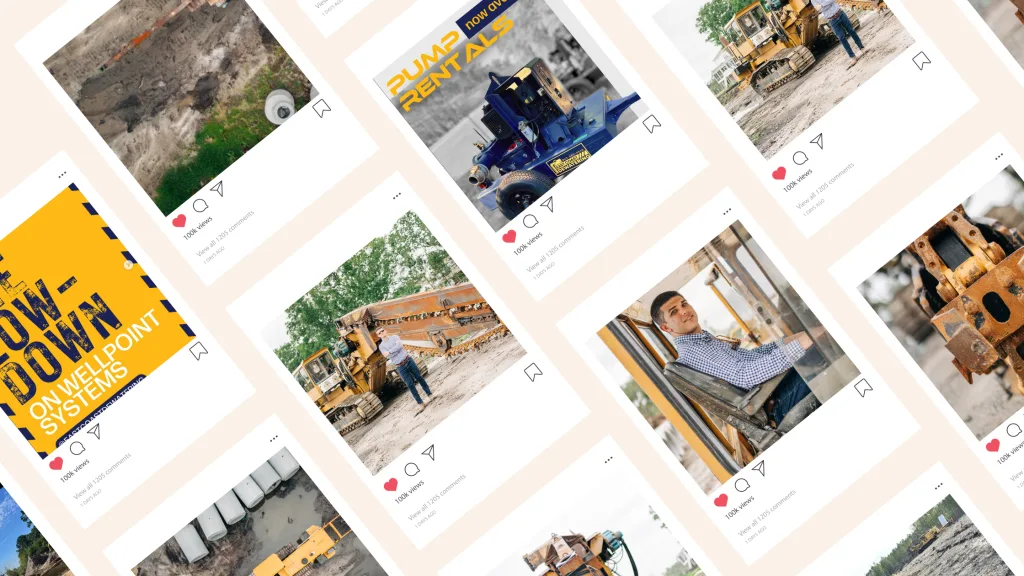
In the digital age, social media marketing for construction businesses has become an indispensable tool. Leveraging these platforms is essential for staying competitive and relevant in this ever-growing field. By effectively utilizing social media, your construction business can drive new opportunities, strengthen your brand, and expand your reach in ways traditional marketing can’t match.
Expanding Your Reach
Traditionally, construction companies have relied on word-of-mouth, reputation, and traditional marketing efforts such as billboards or print to secure new projects. While these methods are still valuable, social media strategies for construction companies have opened up new avenues for reaching potential clients and showcasing expertise.
Broader Audience: Social media platforms like Facebook, LinkedIn, and Instagram enable you to connect with a wider audience, including potential clients, partners, and employees. Simply being active on social media or utilizing targeted advertising can significantly enhance your visibility.
Project Showcases: Platforms like Instagram and Pinterest are perfect for displaying completed projects, highlighting the quality of your work, and attracting new business. For instance, we used Instagram to feature a video of a recent project completed by East Coast Dewatering, effectively demonstrating their expertise and generating new business opportunities.
Direct Communication: Social media facilitates direct interaction with clients and followers, fostering relationships and building trust. Engaging with your audience through direct messages or encouraging discussions in the comments of your posts enhances your connection with them.
Generating Leads
Attracting new business through social media requires a strategic approach. Here are some effective methods to drive lead generation through social media for contractors:
Content Sharing: Share valuable content like blog posts, case studies, and industry news to attract and engage potential clients. Showcasing your expertise and unique offerings can differentiate your company. For example, in a blog, we highlighted East Coast Dewatering’s expert knowledge on the differences between two types of dewatering, helping readers determine which method was right for their project.
Targeted Ads: Utilize paid advertising on platforms like Facebook and LinkedIn to reach specific demographics and generate leads. Tailored ads can showcase your expertise, highlight completed projects, or promote special offers.
Networking: Connect with industry influencers, suppliers, and other stakeholders to expand your network and uncover new business opportunities.
Building Your Brand
Creating a solid brand presence is crucial for standing out in a crowded market. Social media plays a vital role in shaping and promoting construction business online marketing:
Storytelling: Share the stories behind your projects, company values, and team members to connect with your audience. For instance, we created a “Meet the Founder” post for East Coast Dewatering, introducing the founder and providing insight into the company. This post was pinned to the top of their feed, serving as a valuable reference point for clients and followers.
Consistent Identity: Ensure that your social media profiles reflect your brand’s identity, including logos, colors, and messaging.

Client Testimonials: Post testimonials and reviews from satisfied clients to build credibility and trust.
Effective Strategies
To maximize the benefits of social media for your construction company, consider these tailored social media strategies for construction businesses:
Project Highlights: Regularly post high-quality images and videos of your ongoing and completed projects. Use Instagram Stories and Reels to provide real-time updates and behind-the-scenes glimpses of your construction sites, showcasing your expertise and the quality of your work.
Equipment Demonstrations: Highlight your new equipment and explain how it enhances your projects. Videos demonstrating advanced machinery can position your company as innovative and cutting-edge.

Educational Content: Share blog posts, case studies, and industry news that provide value to your audience. Educate your followers on construction techniques, industry trends, and the benefits of using specific materials or technologies. This type of content will position your company as a knowledgeable leader.
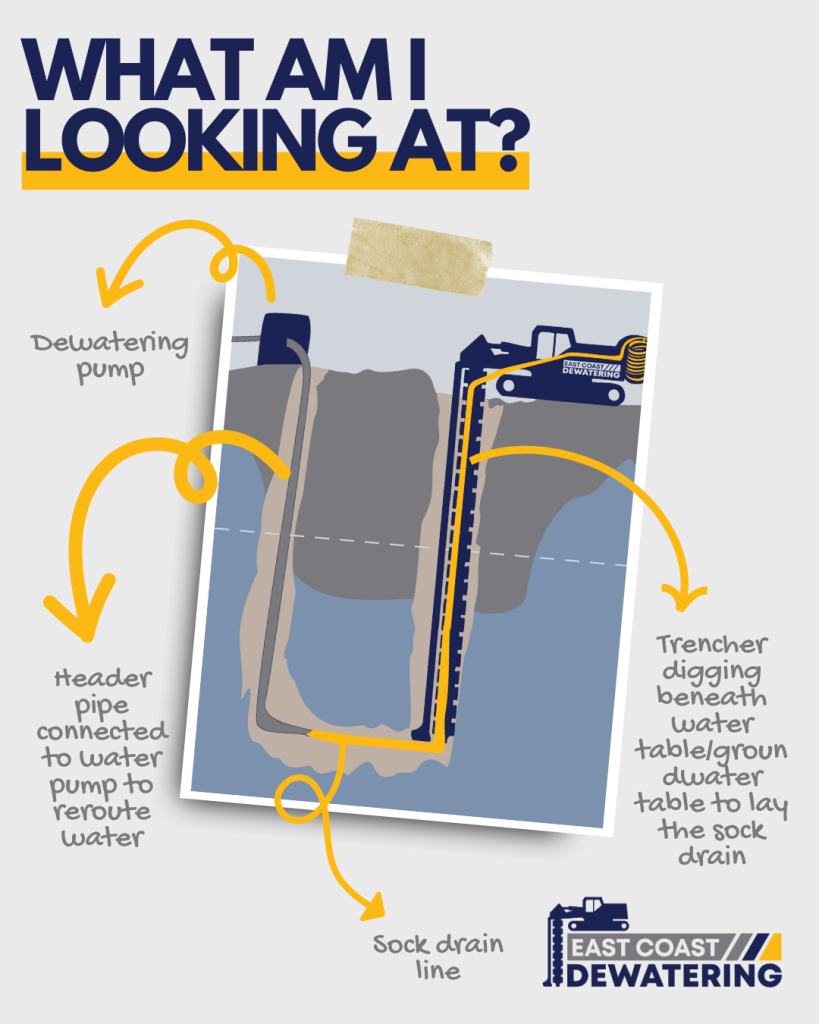
Client Success Stories: Post testimonials and success stories from satisfied clients to build credibility and trust. Video testimonials can be particularly compelling, adding a personal touch and authenticity.
Employee Spotlights: Feature your team members in posts to humanize your brand and build a connection with your audience. Share their stories, roles, and contributions to the company’s success.
Choosing the Right Platforms
Different social media platforms offer unique advantages for construction business marketing:
- Facebook: Ideal for community building, sharing updates, and running targeted ads.
- LinkedIn: Perfect for networking, sharing industry insights, and connecting with potential clients and partners.
- Instagram: Best for showcasing visual content, such as completed projects, behind-the-scenes looks, and company culture.
- Pinterest: Useful for sharing visual inspiration and attracting homeowners and designers.
The influence of social media marketing for construction businesses cannot be overstated. By implementing strategic social media marketing, focusing on lead generation, and building a solid brand presence, construction firms can thrive in today’s digital landscape.
Embrace social media’s potential and stand out in a competitive industry. Let Matchstick Social help you navigate and excel in this digital journey.

