
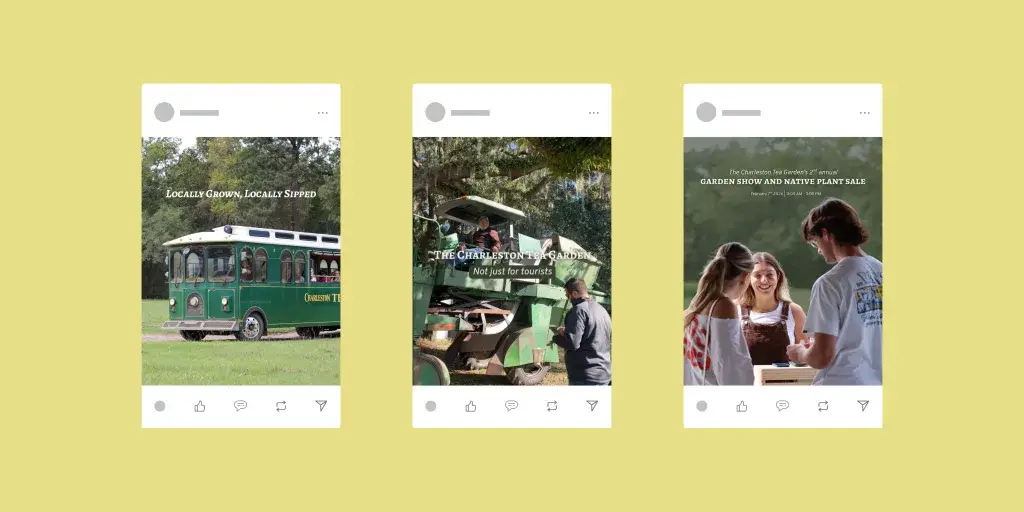
For many companies, social media still lives on the edge of the marketing strategy. It’s something that gets attention after campaigns are planned, budgets are allocated, and revenue channels are defined. A few posts go out each week. Someone checks comments. Maybe a reel or two gets produced when time allows.
We see this all the time when new clients come to Matchstick Social. Social media exists, but it isn’t being used strategically. And that’s one of the biggest missed opportunities in modern marketing.
Today, social media isn’t just a place to post content. It’s a full marketing channel capable of generating awareness, nurturing prospects, and driving real business results when it’s approached with the same level of strategy as paid media, SEO, or email marketing. The difference between brands that grow through social media and brands that simply “have social media” usually comes down to one thing: they build a social media marketing funnel.
A social media marketing funnel is a step-by-step process that guides potential customers from discovering your brand on social media to becoming loyal customers. This funnel breaks down the customer journey into key stages: awareness, engagement, conversion, and loyalty and advocacy. By tailoring content and actions to each of these key stages, brands can efficiently move prospects through the funnel and build lasting relationships.
Social Media Has Evolved Far Beyond “Posting Content”
Ten years ago, social media was primarily about visibility. Brands posted updates, followers engaged occasionally, and the main goal was simply to show up.
But today, platforms like Instagram, LinkedIn, TikTok, and YouTube operate much more like search engines and discovery engines. Algorithms actively surface content to new audiences, recommend creators, and introduce businesses to potential customers every day.
In other words, social media now has the ability to support every stage of the buyer journey: awareness, consideration, trust-building, conversion, and retention. When approached strategically, social media becomes a distribution engine for your brand and your expertise. Unlike a traditional sales funnel, the funnel stages in a social media marketing funnel are designed to prioritize interactive experiences, making each stage, from awareness to loyalty, more dynamic and engaging for users. But this only works when the content is intentional.
The Problem: Social Media Without Strategy Is Just Noise
One of the most common issues we see when auditing a new client’s social media presence is a lack of strategy. Content tends to be reactive rather than intentional: posting when something interesting happens, sharing occasional promotions, or repurposing random marketing assets.
While these posts may fill a content calendar, they rarely move potential customers closer to a decision. Why? Because they aren’t connected to a clear social media marketing funnel. Without a structured funnel, social media content becomes fragmented. Posts might generate likes or impressions, but they don’t create meaningful momentum toward measurable business outcomes. The most successful marketing channels guide audiences through a journey, and social media should be no different.
What a Social Media Marketing Funnel Looks Like
A social media marketing funnel aligns content with each stage of the buyer journey. It is a step-by-step process that can span multiple channels, integrating data and user interactions across social platforms as part of a broader digital marketing strategy. Businesses can utilize a social media marketing funnel by mapping tailored content to each stage and using analytics to optimize the customer journey. Instead of posting randomly, every piece of content has a purpose. Here’s how that typically works.
1. Top of Funnel: Discovery & Awareness
At the top of the funnel, the goal is simple: reach the right audience. This is known as the awareness stage, where you create awareness and focus on building brand awareness. Awareness focuses on reaching a broad audience to introduce a brand using social media ads, engaging video content, and influencer partnerships. Attracting attention in the awareness stage involves using broad-reach content that addresses common audience pain points. Social platforms are uniquely powerful here because their algorithms help distribute engaging content to people who may have never heard of your brand before.
For many of our clients, this is where strategic content begins to generate meaningful traction. Effective top-of-funnel content often includes educational insights, industry commentary, thought leadership, relatable or engaging content, and short-form video. The goal isn’t immediate conversion, it’s visibility and relevance within your industry. Brands that consistently publish valuable content dramatically increase their chances of being discovered by the right audience.
2. Middle of Funnel: Trust & Authority
Once someone becomes familiar with your brand, the next step is building credibility. This is known as the consideration stage, where potential customers are evaluating your offerings. The consideration stage engages people who know your brand but need to trust it by providing educational content like webinars and case studies. The goal of the consideration stage is to build trust and demonstrate unique value with educational content and case studies. During the consideration stage, audiences are evaluating product fit and require detailed information about your offerings. This is where social media becomes a powerful trust-building tool.
Before reaching out, many potential clients will review a company’s social media presence to evaluate its expertise and professionalism, this is something we are constantly told from potential clients as we are going through the proposal stage. A consistent, strategic presence helps reinforce your authority. Middle-of-funnel content often includes case studies and success stories, client results, behind-the-scenes insights, educational breakdowns, and frequently asked questions. At this stage, your audience begins to see your company not just as another brand, but as a knowledgeable partner in your industry.
3. Bottom of Funnel: Conversion
Finally, social media can help drive direct business outcomes. The conversion stage and purchase stage are critical phases in the social media marketing funnel where prospects are converted into customers. Conversion focuses on turning engaged followers into paying customers through clear calls-to-action and special incentives. The conversion stage aims to facilitate a purchase or lead sign-up by removing friction and providing clear CTAs. This is the point when a buyer initiates and ideally completes a purchase, so it’s essential to provide clear paths to purchase with minimal effort. Targeted marketing campaigns and targeted ads play a crucial role during the conversion stage, encouraging buyers to complete their purchases by addressing hesitations and offering incentives. This doesn’t mean every post should be promotional. Instead, strategic conversion-focused content helps move interested prospects toward taking the next step.
Examples include service breakdowns, client testimonials, product demonstrations, campaign announcements, and clear calls to action. By the time someone reaches this stage, they already understand what you do and why it matters. Your social media presence simply makes it easy for them to act.
Brand Advocacy and Community
Brand advocacy sits at the peak of your social media marketing funnel. Here’s where loyal customers transform into enthusiastic ambassadors, sharing genuine experiences and recommendations with their networks. This organic promotion delivers measurable impact because it amplifies your reach and builds trust with potential customers who value authentic, peer-driven endorsements.
A strong online community ignites effective brand advocacy. When you create a space where customers interact, share user generated content, and provide feedback, you build an environment that drives repeat purchases and long-term customer retention. Your social media marketing strategy should spotlight customer testimonials, engage directly with your audience, and optimize referrals through intentional loyalty programs and exclusive offers.
Measuring brand advocacy impact means tracking key performance indicators like engagement metrics, repeat purchase rates, and customer testimonial volume across social media channels. These data-driven insights reveal customer lifetime value and your media marketing funnel effectiveness. Smart investment in community-building and advocacy increases customer lifetime value and transforms satisfied customers into passionate brand advocates who spark repeat business and sustained growth.
Why Businesses That Treat Social Strategically Win
Companies that approach social media as a true marketing channel tend to see several major advantages. Many brands across industries are leveraging social media marketing funnels to foster customer loyalty and drive conversions. Digital advertising plays a crucial role in these funnels, guiding potential customers from initial awareness to final conversion through targeted campaigns and engagement strategies. Additionally, collaboration between paid and organic teams is essential to optimize marketing strategies, amplify high-performing content, and maximize overall ROI.
They Build Continuous Demand
Unlike campaigns that start and stop, social media creates ongoing visibility. Every week, new audiences discover the brand. Over time, this compounds into a steady stream of awareness, engagement, and potential leads.
They Establish Industry Authority
Consistent, high-quality content positions brands as leaders within their industry. When potential customers are evaluating options, companies with a strong social presence immediately appear more credible and established.
They Shorten the Sales Cycle
When prospects engage with your content before reaching out, they already understand your perspective and expertise. Social media effectively pre-educates the market, making sales conversations more efficient and productive.
Company Culture and Social Media
Your company culture ignites social media marketing results. The values, mission, and personality that drive your organization should show up intentionally in every piece of content you share across platforms. When your social media reflects your authentic culture, you create consistent brand recognition that connects with your target audience and drives measurable engagement.
Aligning your social media strategy with your company’s core values builds trust and creates loyalty among customers and employees. This strategic alignment ensures your marketing efforts work together across all channels, reinforcing your brand identity at every touchpoint. Whether you’re sharing behind-the-scenes team moments, celebrating wins, or showcasing your commitment to customer service, your company culture becomes a competitive advantage that performs.
Making company culture central to your social media strategy differentiates your brand and sparks genuine engagement, loyalty, and advocacy. This approach strengthens your overall marketing impact and helps you build an engaged community that supports your business goals with measurable results.
Social Media Metrics and Analytics
Your social media marketing funnel needs the right metrics to spark real results. Track engagement metrics like likes, comments, shares, and saves. They show you how your content connects with your audience. But don’t stop there.
Key performance indicators ignite deeper insights. Conversion rates, click-through rates, and ad recall reveal how your campaigns move customers through each funnel stage. From initial awareness straight to conversion and loyalty. Social media analytics tools help you gather actionable data, monitor campaign performance, and identify which content delivers measurable impact.
Regular analysis of these metrics lets you refine targeting and personalize content. You optimize your marketing efforts to better engage customers and convert them into paying customers and repeat buyers. Smart tracking and analysis ensure your social media marketing drives real business outcomes. Not just activity, but growth across your entire funnel.
The Shift Companies Need to Make
If social media still sits on the edge of your marketing strategy, the solution isn’t simply posting more content. It’s treating social media like the marketing channel it actually is. That means aligning social media with business goals, building a structured social media marketing funnel, creating consistent high-value content, and measuring performance to optimize strategy. The funnel consists of key stages, and each of these funnel stages should be measured and optimized to guide potential customers efficiently from awareness to loyalty. The social media marketing funnel works holistically as individual stages as well as alongside other digital marketing activities. To build an effective social media marketing funnel, you need to measure what matters at each stage.
When social media is approached with the same discipline as other marketing channels, it becomes far more than a content feed. It becomes a powerful growth engine for your brand.
Future of Social Media Marketing
Social media marketing moves fast, and brands that win are the ones built to ignite growth while everything shifts around them. Platforms roll out new features and tweak algorithms constantly. Smart marketers treat this as fuel for strategy, not a roadblock. They spark results by staying intentional about how they connect with their audience and drive measurable outcomes through every stage of the funnel.
Video content that performs, and personalized experiences across channels are reshaping how brands show up. These aren’t just trends to chase. They’re strategic opportunities to optimize your approach and create customer journeys that actually convert. The brands crushing it right now integrate these elements with purpose, using data-driven insights to build campaigns that perform consistently across every social platform.
The winning brands prioritize authentic connections and build trust that lasts. They create strategic, full funnel experiences that move people from awareness straight through to loyalty and advocacy. Social media isn’t just another marketing channel anymore. It’s the engine that drives measurable growth when you put customer experience at the center and stay agile enough to optimize as you go. Smart brands treat social as their secret weapon for sustainable impact.
Final Thoughts
The brands winning on social media today aren’t necessarily the ones posting the most. They’re the ones posting strategically. By building a clear social media marketing funnel, companies can transform social platforms from an afterthought into one of the most valuable channels in their marketing strategy. And in a digital landscape where attention drives opportunity, that shift can make all the difference.