When brands talk about social media strategy, the conversation often turns into paid vs organic social media. Some companies prioritize advertising to generate fast results, while others focus entirely on building an organic presence.
The main differences between organic and paid social media come down to cost, distribution, reach, targeting, speed, analytics, and purpose.
The reality is that the strongest marketing strategies don’t choose one over the other. Organic social media and paid social services work best when they support each other. Together, they help brands build credibility, expand reach, and drive measurable growth.
At Matchstick Social, we believe successful marketing is built on intentional strategy rather than isolated tactics.
What Is Organic Social Media?
Organic social media refers to the content brands share on their social channels without paying to promote it. This is often called ‘free content’ because it does not require ad spend, but it does require investment in time and content creation to produce effective organic social media content.
This typically includes:
- Social media posts and videos
- Blog articles and SEO content
- Community engagement and comments
- Brand storytelling and educational content
- Email newsletters and thought leadership
Organic social media is the foundation of your brand’s online presence. It’s where audiences learn who you are, what you stand for, and why they should trust your brand, making it a natural complement to strategic brand identity development and design. Organic social media content is generally perceived as more authentic because people are more inclined to trust content that doesn’t look like an ad.
Unlike paid social media campaigns, organic content grows gradually. Engagement, shares, and conversations help expand your reach over time while building stronger relationships with your audience. User-generated content (UGC) is a powerful form of organic content that can significantly influence purchasing decisions. This type of content helps brands establish credibility and maintain authentic connections with followers.
Average organic reach is the percentage of followers who view organic posts without paid promotion, and it has declined over time. The lifespan of organic content can be long and discoverable through SEO, while paid content disappears as soon as the budget stops.
What Are Paid Social Media Services?
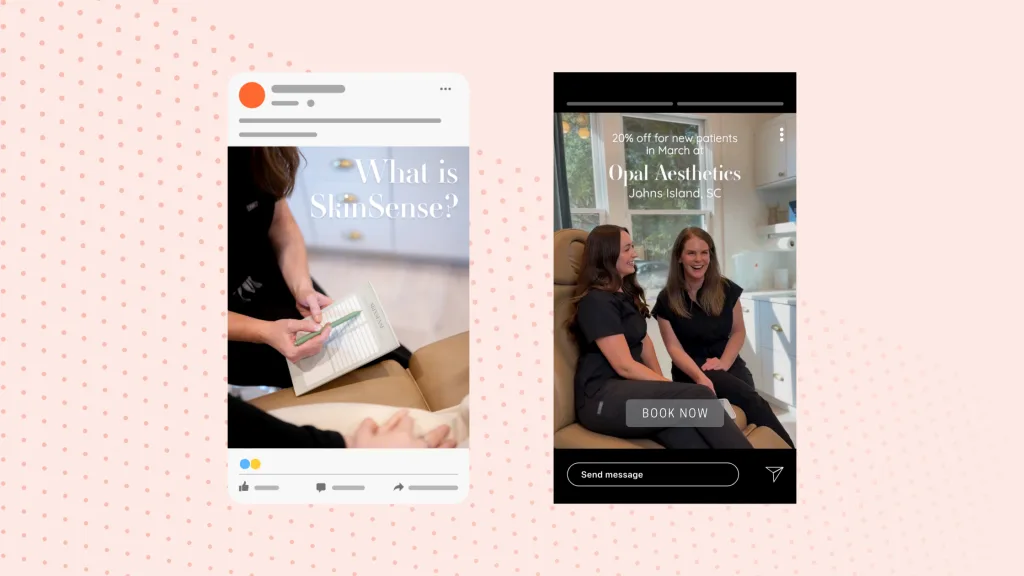
Paid social media refers to paid advertising activities such as sponsored posts, boosted content, and influencer campaigns that use advertising budgets and precise targeting to increase reach and engagement on social media platforms. Paid social services, also known as social advertising or paid social media efforts, involve using advertising platforms to promote paid content to targeted audiences, allowing brands to run ads and optimize paid strategies for maximum impact across different platforms.
Examples include:
- Social media ads on platforms like Instagram, Facebook, LinkedIn, TikTok, and others
- Sponsored posts and boosted posts
- Video ads, image ads, and carousel ads
- Retargeting campaigns to engage existing customers
- Lead generation ads targeting potential customers
- Conversion-focused advertising campaigns
- Paid promotion of high-performing organic content
Paid social advertising and social ads allow for precise targeting of specific demographics and audience-based campaigns, including retargeting existing customers and reaching potential customers most likely to engage with your brand.
Unlike organic social media, paid campaigns and paid social ads are audience-based, allowing for precise targeting and control over who sees the content and how often. Paid social media efforts deliver measurable ROI by tracking performance for individual ads, and paid social campaigns require ongoing optimization and tracking of key performance indicators, along with detailed analytics, to maximize results. Paid social media can be expensive and requires continuous optimization to perform well, but when planned strategically, it can be cost-effective and deliver measurable ROI.
Paid social media provides something organic marketing cannot: control over distribution and speed of results, especially when managed through expert social media advertising services.
That being said, paid campaigns are most effective when they amplify an already strong brand presence.
Paid vs Organic Social Media: Why the Debate Misses the Point
The question of paid vs organic social media is often framed as a choice, but the most effective strategies treat them as complementary tools. An integrated approach that combines organic and paid strategies is essential for maximizing social media performance.
Organic social media builds relationships and credibility over time, with building trust as a key outcome. Paid and organic work together to create a cohesive brand experience, where paid efforts can amplify high-performing organic content and vice versa. Using organic insights can inform paid targeting strategies, allowing brands to invest in content that has already shown traction with audiences, especially when paired with practical digital advertising and branding guidance.
Organic marketing creates the brand experience. Paid marketing ensures more people see it.
Organic Builds Trust. Paid Expands Reach.
Organic social media is where brands establish their voice and connect with their audience on a deeper level. Consistent organic work, such as regular posting, storytelling, and engagement, is essential to building relationships and trust with your audience, helping businesses foster communities that support their brand.
However, organic posts are typically shown to only a small portion of your existing followers due to platform algorithms. Organic social media has limited, slower, and algorithm-restricted reach, primarily to followers, which is why paid promotion is often necessary to expand reach beyond your current audience.
Social media advertising then extends the reach of that content.
Advertising allows brands to place their message in front of new audiences who may not have discovered them organically. Instead of waiting for algorithms or shares to drive visibility, paid campaigns ensure that the right people see the right content at the right time, whether you’re running broad awareness campaigns or using Meta ads to drive qualified SaaS leads.
This combination creates both visibility and credibility, which are essential for modern digital marketing.
Organic Content Makes Paid Campaigns Stronger
One of the most overlooked advantages of organic social media is the insight it provides. Brands need to effectively manage organic content alongside paid campaigns to ensure consistency and maximize results, often leveraging integrated management tools to streamline this process.
By monitoring which posts perform best organically, brands can gain valuable insights into the messaging, visuals, and topics that resonate most with their audience. These organic insights can then inform paid targeting strategies, making paid campaigns more effective. The process of creating content for both organic and paid campaigns can also be streamlined with management tools, enabling efficient, targeted content production across platforms. Those high-performing posts often become the most effective advertising assets.
Instead of guessing what might work in an ad campaign, marketers can promote content that has already proven successful.
This approach improves efficiency while ensuring that paid ads amplify content that audiences already value.
Paid Campaigns Turn Attention Into Conversions
Organic social media is excellent for building awareness and relationships, but it rarely drives immediate conversions on its own. Paid ads help bridge that gap.
Through tools such as retargeting and audience segmentation, paid social media allows brands to reconnect with people who have already engaged with their content. Paid campaigns are often ad-based, focusing on measurable results and performance optimization. Someone who has visited your website, watched your videos, or engaged with your posts can later be served a targeted ad encouraging them to take the next step.
The feel of your ads is important for brand perception and should align with your overall business goals. Tracking performance for individual ads and conducting A/B testing are essential for optimizing paid social media campaigns and understanding what resonates with your audience. Continual optimization of both organic and paid strategies based on performance data is necessary for long-term success.
This creates a natural progression from discovery to engagement to conversion.
Organic marketing attracts attention. Paid marketing turns that attention into measurable business results.
The Matchstick Approach to Social Media Strategy
At Matchstick Social, we believe marketing works best when every piece supports a larger strategy. An integrated approach to social media marketing combines paid and organic efforts for maximum impact, ensuring they complement each other to drive results.
Rather than separating paid ads and organic efforts, our approach integrates them into a unified growth system. Maintaining a consistent social media presence through organic methods is key to building authentic connections, while aligning ad copy with the brand voice ensures effective engagement. Paid social media then amplifies that presence, helping businesses reach new audiences and drive meaningful conversions. Integrating social media insights with broader business metrics is essential for effective multi-touch attribution, allowing for a clear understanding of how each channel contributes to overall success.
This strategy aligns with our broader philosophy: marketing should create authentic connections while delivering measurable results.
When organic and paid marketing work together, brands don’t just gain visibility, they build momentum.